Barrier and tone
Niacinamide
Commonly used in barrier-support, sebum and uneven-tone formulas. Concentration and vehicle matter.
Product-level ingredient matching is not yet availableIngredient field guide
Use this library to understand cosmetic functions, evidence boundaries and the questions that distinguish a promising ingredient list from a verified finished-product result.
Explore the index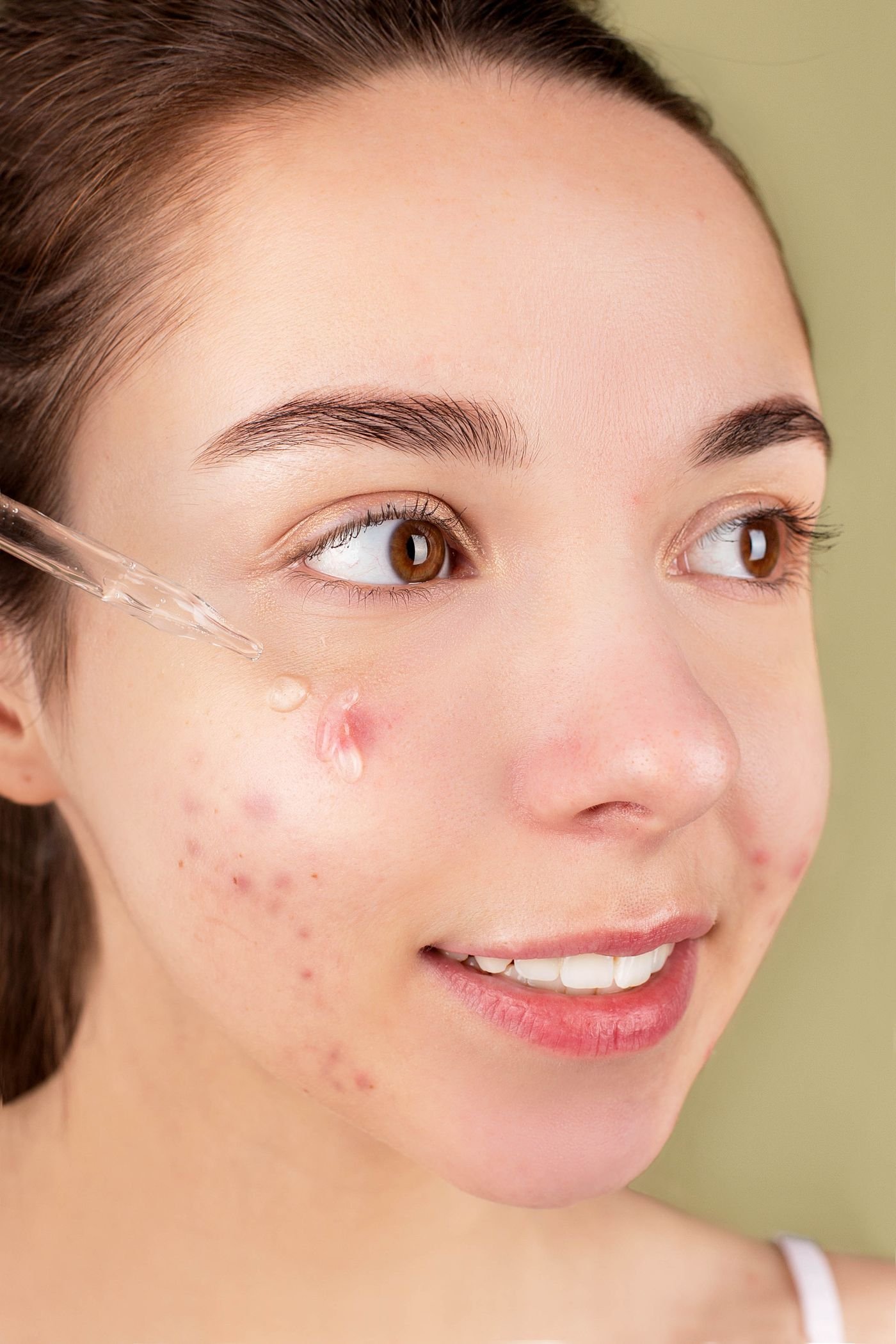 Function ≠ outcome
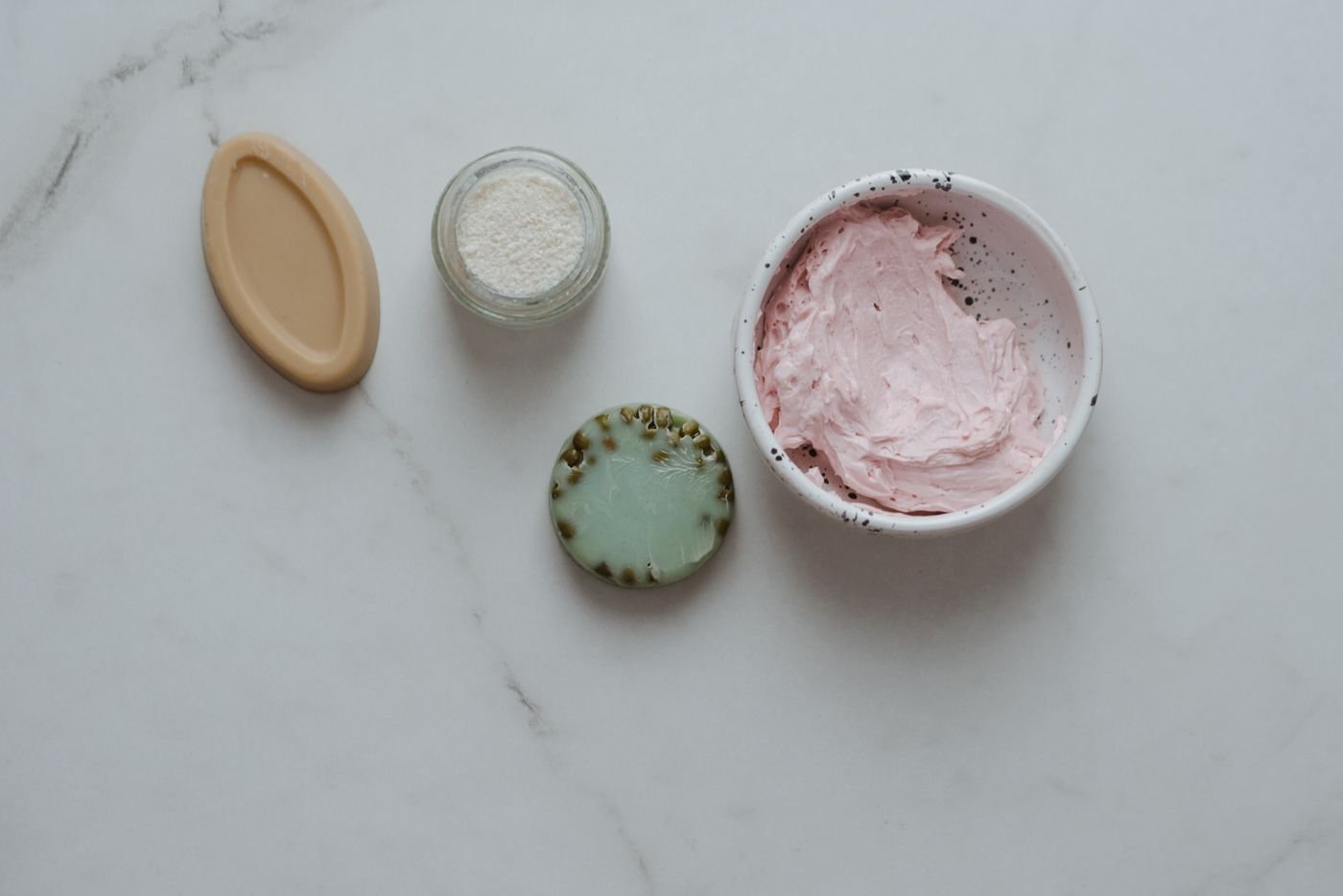 hydration
Humectants, emollients and barrier lipids work as a system.
clarityMatch the active, concentration context and routine tolerance.
 tolerance
Read fragrance, solvent and preservative context without predicting individual reactions.
Ingredient index
These are orientation notes, not medical advice or product-level conclusions. We do not yet link ingredient names to product lists because our records do not structure ingredient presence; a keyword search would return product-name matches rather than verified ingredient matches.
Barrier and tone
Commonly used in barrier-support, sebum and uneven-tone formulas. Concentration and vehicle matter.
Product-level ingredient matching is not yet availableAcne and pores
An oil-soluble exfoliant used in acne and pore-focused products. Strength and contact time change the experience.
Product-level ingredient matching is not yet availableHydration
A humectant family used to support water binding. Molecular size and the rest of the formula shape performance.
Product-level ingredient matching is not yet availableRenewal
A broad family with different strengths, evidence bases and irritation profiles. The exact molecule must be identified.
Product-level ingredient matching is not yet availableBarrier
Barrier lipids whose usefulness depends on the wider lipid system and finished formula.
Product-level ingredient matching is not yet availableAntioxidant context
Pure ascorbic acid and its derivatives are not interchangeable; stability, pH and packaging matter.
Product-level ingredient matching is not yet availableAcne and tone
Used in acne, redness and uneven-tone contexts. Product concentration and regional status require verification.
Product-level ingredient matching is not yet availableFormula support
A large, non-uniform family. Evidence for one peptide cannot be transferred to every peptide blend.
Product-level ingredient matching is not yet availableTolerance
A sensory choice with individual tolerance trade-offs. “Fragrance-free” and “unscented” are not always equivalent.
Product-level ingredient matching is not yet availableSun protection
Filter identity helps explain a formula, but protection comes from finished-product testing and correct use.
Product-level ingredient matching is not yet availableHow to read a guide
Is it the same ingredient, derivative and regional formula?
Were concentration, pH, delivery system and contact time comparable?
Was the finished product tested, or only an ingredient or product class?
Who was studied, for how long, and what was not measured?